
6 dental billing innovations you can’t ignore in 2026
What are the top dental billing innovations to know now?
The top dental billing innovations are AI-powered billing, blockchain claims, mobile payments, data analytics, virtual consultations, and billing outsourcing.
- New tools cut errors and speed up payments.
- Patients now pay and review invoices from their phones.
- Outsourcing lets practices focus more on patient care.
Many old methods in dentistry now work less well. Technology moves fast, and patient habits keep changing. For example, paper records are giving way to Electronic Health Records (EHRs). As a result, care teams get more speed and easier access.
Patient contact has changed too. It has moved from calls and mail to email, text, and telehealth. Meanwhile, dental billing has also seen big gains. These shifts improve workflow and lift the patient experience. So this guide covers six dental billing innovations shaping the field in 2026.
What is dental billing?
Dental billing is the admin process of invoicing patients and insurers. It covers the dental services a provider delivers. In short, it turns care into paid claims.
It includes several tasks, such as:
- Documenting procedures performed
- Verifying insurance coverage
- Submitting claims to insurance companies
- Processing payments
Dental billing makes sure dental care providers get paid for their work. It also gives patients clear billing details. So it plays a key role in the financial health of a practice. In fact, it shapes both revenue and cash flow. For a deeper look, see this guide to medical billing management.

Importance of dental billing
Good dental billing makes sure providers get paid fairly. It also helps practices get paid on time. Moreover, smooth billing lifts patient trust. Clear invoices and easy payments keep patients coming back.
Dental billing process
Typically, the dental billing process runs through a few steps:
- First, the patient visits the office and receives care.
- Next, front desk staff gather details about the procedures and the patient’s insurance.
- Then that information becomes an invoice or claim. The claim goes to the insurer for processing and reimbursement.
Once the claim clears, payments come in. After that, any leftover balance goes to the patient. To manage this end to end, many teams adopt revenue cycle management practices.
6 dental billing innovations in 2026
Now, let us explore six tools that are reshaping dental billing in 2026.
1. AI-powered dental billing systems
AI-powered billing systems use machine learning to help teams. In practice, they:
- Automate repeat tasks
- Analyze data patterns
- Spot billing errors or gaps
As a result, these systems cut admin load and reduce errors. They also speed up reimbursements. Connext, a top offshoring provider, uses AI-powered billing to lift accuracy and speed. So practices can focus more on patient care. Watching your accounts receivable in medical billing becomes far easier with these tools.
2. Blockchain for claims processing
Blockchain acts as a shared, secure ledger for billing. So it adds security and clarity across the claims lifecycle. Its coding creates records that cannot be changed. This guards against tampering and fraud. As a result, it builds trust among all parties.
Blockchain also helps in another way. In fact, blockchain facilitates real-time verification of claims. So it speeds up the timeline and cuts delays.
3. Mobile payment solutions
Mobile payments let patients handle billing from their phones. So they can pay, review invoices, and check details on the go. This adds real convenience.
Mobile billing also helps orthodontic patients. Many now use payment plans to spread out costs. Treatments like custom braces and Invisalign can be a big expense. As a result, more practices use tools that smooth the payment path.
So dental teams should not ignore this shift. It improves the patient experience. It also strengthens cash flow.
4. Data analytics for revenue optimization
Data analytics tools are now vital for dental practices. They help teams boost revenue and streamline work. These tools dig into billing trends, revenue cycles, and other financial metrics.
By studying large data sets, dental teams learn where money leaks. As a result, they spot waste and find ways to cut costs. So decisions get sharper over time.
5. Virtual dental consultations
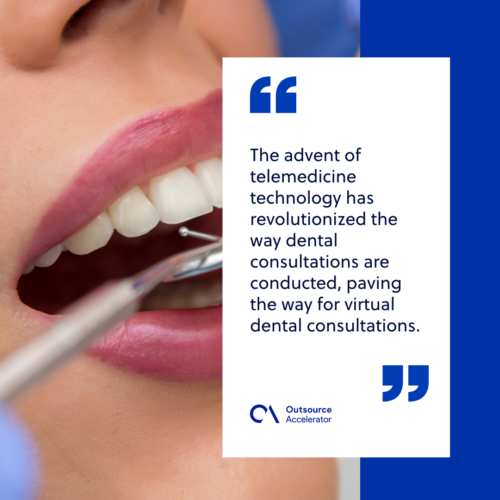
Telemedicine has changed how dental visits work. So virtual consultations are now common. Patients can seek advice, ask billing questions, and even pay from home. As a result, care feels faster and more flexible. To compare tools, review these free telemedicine software options.
6. Dental billing outsourcing
Outsourcing billing services to expert providers, like Connext, is a smart move. It helps dental practices sharpen their financial operations.
This approach offers many benefits, such as:
- Significant cost savings
- Access to expert billing staff
- Scale to handle busy periods
By handing billing to a trusted partner, practices free up time. So they can focus on core clinical work. As a result, patient care and satisfaction both improve. Many teams start with broader outsourced billing services and grow from there.
Should you adopt these dental billing innovations?
Connext helps dental practices keep pace with changing patient habits. So they stay ready for a mobile-first world.
Now, back to the question: should you adopt these tools? Yes. Smart billing tools lift efficiency, accuracy, and profit. So the payoff is clear.
Frequently asked questions
What is dental billing?
Dental billing is the process of invoicing patients and insurers for care. It covers claims, coverage checks, and payments. So it keeps a practice financially healthy.
How does AI help with dental billing?
AI automates repeat tasks and spots errors fast. It also speeds up reimbursements. As a result, staff spend less time on paperwork.
Why do dental practices outsource billing?
Outsourcing saves money and adds expert help. It also scales with demand. So teams can focus more on patient care.
Are mobile payments safe for dental billing?
Yes, modern mobile tools use strong security features. They also make paying easier for patients. So they improve both trust and cash flow.
What is blockchain used for in dental billing?
Blockchain creates secure records that cannot be changed. So it lowers fraud risk. It also speeds up claim verification.
Key takeaways
- The main dental billing innovations are AI, blockchain, mobile payments, analytics, virtual visits, and outsourcing.
- AI and analytics cut errors and speed up payments.
- Mobile payments make billing easier for patients.
- Outsourcing frees teams to focus on care.
- Adopting these tools lifts efficiency, accuracy, and profit.






 Independent





