
Philippine outsourcing: Filipino workforce and remote work

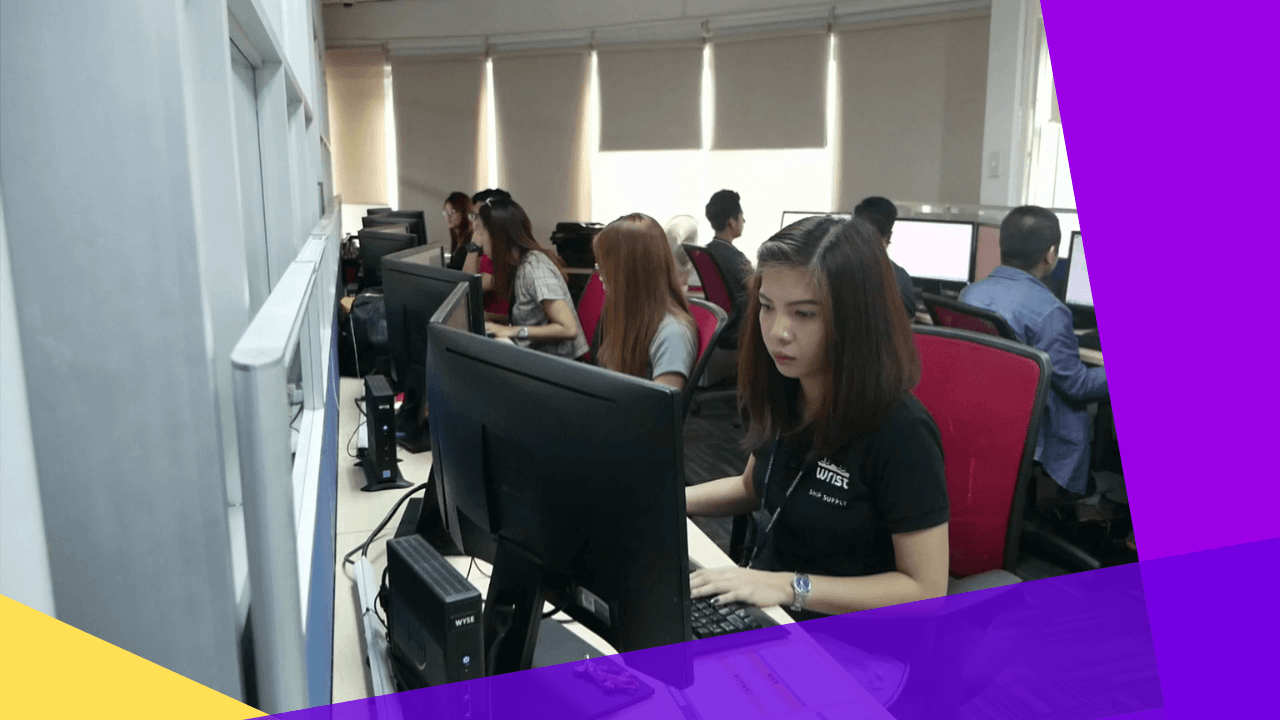
Why is the Filipino workforce ideal for remote work and outsourcing?
The Filipino workforce suits remote work and outsourcing thanks to strong English skills, low labor costs, a deep talent pool, and a friendly business setting.
- Filipinos speak fluent English and know Western business culture well.
- Labor costs stay low, so firms save while keeping quality high.
- The country offers a large, flexible pool for remote and office roles.
The Philippines sits at the crossroads of East and West. It is also a land of great opportunity. Over time, the country has grown into a major hub for the Filipino workforce and remote work.
Many firms worldwide, in Australia and other wealthy nations, now outsource their processes to the Philippines.
“I think if you asked anyone what their exposure was to dealing with companies that have outsourced or offshore teams, it’s likely they’re going to name one of two destinations, either the Philippines or India,” Dale Pearce noted, COO of Platintel (formerly Platinum Outsourcing).
Dale joined Derek Gallimore in the 437th episode of the Outsource Accelerator podcast. He talked about outsourcing, the Filipino workforce, the drawbacks of remote work, and outsourcing for Australian businesses.
Are you curious why Philippine outsourcing matters to other countries? Below is a clear explanation.
Why outsource to the Philippines?
According to Medium, the first BPO in the nation started in 1992. Since then, the sector has grown for more than three decades.
“The Philippines has been around, and Filipinos have been doing [outsourcing] for two decades,” the Platintel COO acknowledged.
The Philippine outsourcing industry adds tens of billions of dollars to the economy each year. It employs well over a million Filipinos, and this number keeps rising by 8% to 10% annually. In addition, the country holds an estimated 10% to 15% of the global outsourcing market.
The industry is vast and diverse. So you can be sure your business needs will be met by its flexible and dedicated workforce. For more context, see the growth of the Philippine BPO industry.
Top countries that outsource to the Philippines
As noted, the Philippines is one of the world’s leading outsourcing destinations. Here are the top countries that send work to the country.
Australia
The time gap between Australia and the Philippines is two hours, with less than five hours of travel time. So client and offshore teams can work together without odd overnight or early morning shifts.
Meanwhile, the local market grows more competitive and more complex. Per Dale, “Although they have an understanding of outsourcing as a concept, there still seems to be the perception that it’s a complex process.”
Good thing the Philippine industry has providers who can help Australian firms learn the ins and outs of outsourcing. Also, as a business in Australia offering customer service, “the familiarity with [the Philippine location] is important when you are going and speaking out with potential customers.”
United States
The USA governed the Philippines for nearly 50 years. Because of this, many Filipinos speak English fluently and know much about American society.
So it is easier for US firms to talk with their peers in the Philippines. As a result, their outsourcing efforts tend to succeed.
Lower labor cost is another reason. The average wage in the Philippines is only $5.73 per hour, which is far below the US average. So US firms can save a lot of money while keeping high-quality standards.
India
Like Australia, India sits about two and a half hours from the Philippines. So businesses can offer 24-hour customer service across the two.
For example, a US firm that sends work to the Philippines often gets it back the next day for review. This lifts both productivity and output. Meanwhile, the gap between India and the Philippines keeps work flowing around the clock.
How good is the Filipino workforce?
Notably, the Filipino workforce has a reputation for being smart and hardworking. The Platintel COO agreed, saying, “They’re really clever people across a variety of industries.”
Filipino resiliency and adaptability rank high in the global job market. Filipino workers “are [probably] just waiting for an opportunity to work for an Australian business.”
“There’s [an] enormous talent pool in the Philippines,” Dale added. Many Filipino workers also communicate with ease across the world. So they become an asset to any team that values clear communication. To lead them well, learn how to get the best out of your Filipino workforce and how Filipino work culture shapes daily tasks.
Advantages and disadvantages of remote work in the Philippines
Along with large firms outsourcing to the Philippines, freelance and work-from-home roles have grown too. Businesses from many nations now trust key tasks to Filipinos working from home. Still, there are pros and cons to weigh. Many firms also use offshore staffing solutions in the Philippines to manage these teams.
Advantages
Flexibility is one of the biggest advantages of working remotely.
When you work remotely, you can often pick your own hours. You can also work from any spot with internet. So you shape your work around your life, not the other way around.
You can work from a coffee shop or even another country as a digital nomad. This flexibility helps most if you have family duties or study on the side. For more, see the wider benefits of remote work.
Disadvantages
On the other hand, Dale finds remote work a bit of a downside. For him, “work from home is definitely role-dependent.”
“I think you just have to offer work from home as an option. You know, where the talent pool might be a little less large,” he added.
A lack of structure can hurt too. In an office setup, you have set hours and a clear line between work and personal time. So the Platintel COO prefers his team in the office for “highly transactional roles.”
Philippine outsourcing: The mecca of global outsourcing
The Philippine outsourcing industry is a magnet for global business. It offers a skilled workforce, a vast talent pool, a friendly business setting, and a strategic location. So these factors make it an attractive destination for companies that want to outsource services and cut costs.
Now that you know about Philippine outsourcing, learn more about Australian firms and their solutions. The easiest way is to connect with Dale Pearce.
Visit Platintel’s official website and listen to episode 437 of the OA podcast here.
Frequently asked questions
Why do companies outsource to the Philippines?
Companies outsource to the Philippines for its English skills, low costs, and deep talent pool. In addition, the workforce knows Western business culture well. So teamwork feels smooth.
How much can businesses save with a Filipino workforce?
Savings can be large. The average local wage sits far below US pay. So many firms cut labor costs while keeping strong quality.
Is remote work common in the Philippines?
Yes. Remote and freelance roles have grown fast. Still, some leaders prefer an office setup for highly transactional roles that need close structure.
Which countries outsource most to the Philippines?
Australia, the United States, and India lead the list. Each one gains from time-zone fit, language skills, or round-the-clock output.
Key takeaways
- The Filipino workforce brings strong English skills and Western business know-how.
- Low labor costs help firms save without giving up quality.
- Australia, the US, and India are the top countries that outsource here.
- Remote work offers flexibility, but some roles still fit an office better.
- A friendly setting and vast talent pool keep the Philippines a top destination.






 Independent





