
10 best payroll software to use in 2026

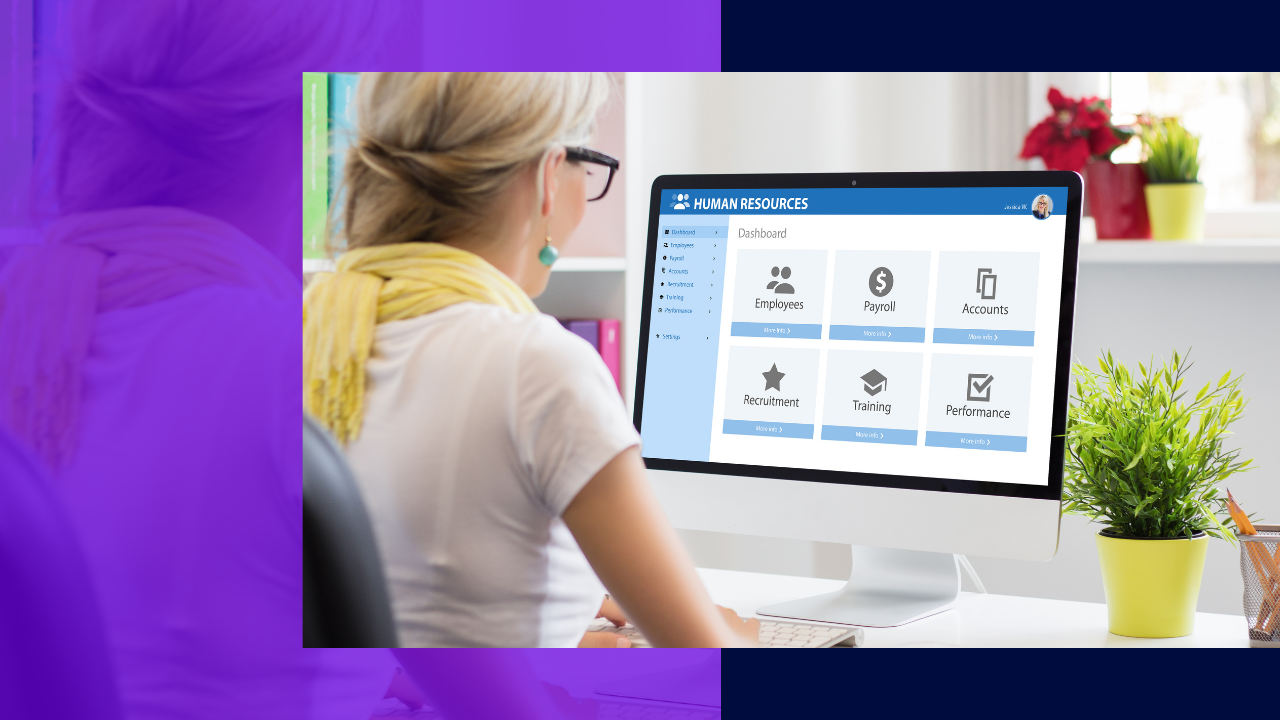
What is the best payroll software to use in 2026?
The best payroll software is the tool that fits your team size, pays people on time, and keeps you compliant with tax rules.
- Good payroll software automates pay runs, tax filing, and direct deposits.
- Top picks include Gusto, QuickBooks Payroll, ADP, Rippling, and OnPay.
- Price, integrations, and support should guide your final choice.
Payroll software helps companies pay staff quickly and stay error-free. In a digital world, it is important for companies to make their processes simple and more efficient. As a result, teams spend less time on manual tasks. Meanwhile, doing payroll by hand can pull time and focus away from bigger business goals.
What’s more, manual payroll is prone to errors and penalties. For example, the Internal Revenue Services in the US has assessed billions of dollars in payroll-related penalties. So the right tool can save you real money.
Using payroll software eases this burden, as long as you pick the right tool for your company. Below, we list the best payroll software you can use today.
How payroll software makes processes efficient
Payroll software is a cloud-based platform used to manage, combine, and automate employee salaries. Because it links with other business systems, it makes paying staff easier and more accurate. As a result, payments stay on time.
It also helps companies stay compliant with tax laws and financial rules. Businesses of all sizes use this tool, including outsourced and distributed teams. For a wider view of your options, you can also compare global payroll software built for cross-border teams.
What to look for in payroll software
Each payroll software has its own set of features for different businesses and countries. However, most companies look for the same core things. Here are the main ones to check.
Flexibility
Modern payroll software offers flexible access on any device. So employers can view their data on a web browser or mobile app whenever they need it. In addition, a good tool supports many types of workers, whether casual, regular, freelance, or outsourced.
Direct deposit
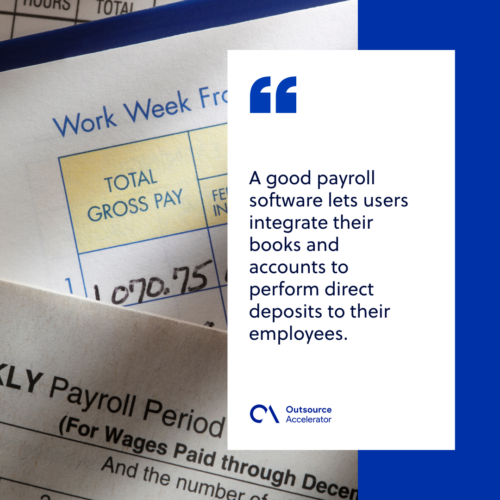
A good payroll tool lets you link your books and accounts to pay staff directly. As a result, workers get their salaries with ease. It also fits their preferred payment method.
Tax and benefits compliance
Payroll tools should also work out taxes and benefits on their own. Ideally, they file tax compliances in both home countries and outsourcing destinations. Because of this, you avoid late fees and mistakes.
Integrations
Payroll software mostly aims to make pay runs as simple as possible. So companies should look for tools that let them link multiple tools. These include attendance tracking, human resource management, and accounting. For broader needs, some teams pair payroll with wider HR software too.
Data protection
In handling payroll, HR teams deal with sensitive company and employee data. So good payroll software must offer strong security and protection. For example, employers should be able to set passwords, encrypt storage, and limit access as needed.
Self-service portal
Finally, a good payroll tool gives staff a self-service portal to update their own details. It also creates payslips on its own. As a result, workers get a clear account of their pay and deductions.
Best payroll software for businesses of all sizes
Based on the features above, here are the best payroll software tools for all business sizes. First, review the quick table. Then read each short profile below.
| Price (per month) | Free trial? | Direct deposit? | 3rd-party integration? | |
| Gusto Payroll | US$39.00 | Yes, 1 month | Yes, for core plan up | Yes |
| Quickbooks Payroll | US$35.00 | Yes, 1 month | Yes | Yes |
| Paychex Flex | US$39.00 | No | Yes | Yes |
| ADP Workforce Now | Custom quote | Yes, 3 months | Yes | Yes |
| Patriot | US$10.00 | Yes, 1 month | Yes | Yes |
| OnPay | US$36.00 | Yes, 1 month | Yes | Yes |
| Rippling | US$8.00 | No | Yes | Yes |
| Square Payroll | US$40.00 | Yes, 1 month | Yes | Yes |
| Zenefits Payroll | US$8.00 | Yes | Yes | Yes |
| SurePayroll | Custom quote | Yes, 2 months | Yes | Yes |
Gusto Payroll
Gusto Payroll is more than a payroll provider. In fact, it offers many services that cover an organization’s HR needs. So users can pick simple payroll or a full HR system, based on what they need. Its plans start at US$39.00 per month, plus an extra fee per person for full features.
QuickBooks Payroll
QuickBooks Payroll suits new and existing QuickBooks users alike. It gives an easy way to handle payroll. Because it links with QuickBooks Online, accounting stays simple. As a result, it works well for small businesses that want to grow over time.
Paychex Flex
Paychex Flex is a full payroll and HR tool for businesses of all sizes. It works best for remote teams that want a scalable way to manage payroll anywhere. Its plans start at US$39.00 per month, with features you can tailor to your needs.
ADP Workforce Now
ADP Workforce Now is an all-in-one, cloud-based HR and payroll tool. It is best for medium and large firms. While it allows third-party integration, users can also add ADP’s own tools. As a result, many teams like its clean interface and strong compliance support.
Patriot Software
Patriot Software is one of the most affordable tools on this list. Its basic plan suits firms that just want to automate payroll first. For example, it includes direct deposit and easy payroll setup. Later, users can upgrade as they grow. Its base plan starts at US$10.00 per month, plus a small fee per user.
OnPay
OnPay gives full payroll tools for small and large firms. So users can create employee profiles, run unlimited payroll, and track time with ease. In addition, it offers simple payment scheduling and tax filing. It also bundles HR features and integrations for better workforce management.
Rippling
Rippling offers payroll for midrange firms at a fair price. Beyond payroll and HR, users can also manage worker IT networks in one place. For instance, once you create a profile, it sets up work computers, chat tools, and Office 365. Its plans start at US$8.00 per month.
Square Payroll
Square Payroll fits most small businesses. Unlike some tools, it supports both salaried and hourly staff. So users can pick a contractor-only plan or a full-feature plan for teams. What’s more, staff get flexible payment options, such as getting part of their pay in advance.
Zenefits Payroll
Zenefits Payroll helps firms run payroll smoothly and fast. It connects payroll to company HR to save time. So it works best for teams that plan to use its HR system. However, it does not support very small teams with fewer than five staff. Plans start at US$8.00 per month per user.
SurePayroll
Finally, SurePayroll gives one of the most flexible services on the market. Besides small businesses, it also supports pay for nannies and other household staff. It has run payroll for many years. As a result, it stays a reliable pick for firms and contractors alike.
Choosing the right payroll software for your business
Payroll tools can save you time and effort in processing employee salaries. However, not all tools are the same. While you can get one for free or cheap, its total cost of ownership (TCO) can be higher than an average-priced one. So ask the right questions first. It also helps to weigh the tool against the cost of outsourcing payroll to a provider.
- What types of employees do I handle? Many tools only support regular staff with fixed pay. So if you also manage casual, freelance, and outsourced workers, look for more flexible software.
- What features do I need? Free and cheap tools often skip tax filing and compliance. So if you handle those yourself, you can start with limited features first.
- Can I transfer my existing records easily? Moving old records can cost extra or need a bigger plan. Still, you can consider manual input of your records if needed.
To keep pace with the market, it also helps to watch the latest payroll trends. In addition, learning the main types of payroll systems can help you match a tool to your setup.
Frequently asked questions
What is payroll software?
Payroll software is a cloud tool that manages and automates staff pay. It works out wages, taxes, and deductions. As a result, it cuts manual work and errors.
How much does payroll software cost?
Most tools start around US$8 to US$40 per month. On top of that, many charge a small fee per employee. So your total cost depends on team size and features.
Is payroll software safe to use?
Yes, good payroll software uses strong security. For example, it offers encrypted storage, password controls, and limited access. So your sensitive data stays protected.
Can payroll software handle taxes?
Most tools calculate and file taxes on their own. However, cheaper plans may skip this feature. So check tax support before you buy.
Which payroll software is best for small businesses?
Patriot, Gusto, and Square Payroll suit small teams well. They are affordable and easy to set up. Still, the best pick depends on your exact needs.
Key takeaways
- Payroll software automates pay runs, tax filing, and direct deposits.
- Key features to check are flexibility, integrations, and data protection.
- Prices range from about US$8 to US$40 per month, plus a per-user fee.
- Small teams can start with affordable tools like Patriot or Gusto.
- Always match the tool to your team size, budget, and compliance needs.






 Independent





