
Top 8 screen monitoring software for employee productivity


What is the best screen monitoring software for employee productivity?
The best screen monitoring software includes Time Doctor, TimeCamp, Insightful.io, Hubstaff, Harvest, We360.ai, Kickidler, and WebWork.
- These tools track time, apps, and websites for remote teams.
- Most start around $7 to $10 per user each month.
- The right pick depends on your team size and goals.
Top screen monitoring software
Remote work gives clear gains to both staff and firms. For example, flexible hours give remote staff more freedom. So they can plan work around their lives.
There is also no commute. As a result, they can work from home with just a laptop and internet.
Still, remote work has downsides. One is the lack of oversight. For example, with freelancers, tracking time is hard since they rarely have a formal login.
Because of this, employers may not know how staff spend their time. So output can suffer, and performance gets hard to gauge.
To fix this, add screen monitoring to the work agreement. It sets clear terms from the start.
Employers who hire through business process outsourcing providers can agree to monitor teams with their chosen tool. As a result, oversight stays simple and fair.
What is screen monitoring?
Screen monitoring records a user’s activity on a computer. It is also called desktop or computer monitoring.
The latest studies show that almost 80% of major companies in the US monitor staff activity. For example, they track emails, internet use, and social media.
Most tools log each login with a username and timestamp. So employers can see productivity and the apps staff use most.
These tools can also log which websites staff visit and how often. In addition, employers can take periodic screenshots of the work.
Remote screen monitoring software
Many firms now use remote workers, often called telecommuters or virtual employees. So these staff can work from home instead of the office.
This setup helps both sides. Still, it brings some challenges too. For example, an employer may not know what a virtual employee does all day.
Should a problem arise, the employer has little way to check. This is where remote screen monitoring software helps.
With this tool on each computer, you can watch activity in real time. So you can see what your remote team does at any moment. As a result, productivity gets easier to manage.
Screen monitoring software also protects company data. For example, it lets you:
- Monitor employees’ activity online
- Review keystrokes and screenshots
- Track websites visited by employees
- Monitor email messages sent and received by employees
- Monitor instant messages sent and received by employees
- View documents they have opened or edited
Why should you use employee screen monitoring software?
These tools help ensure productivity and build accountability. So they also track work time with ease.
Still, the right use depends on a case-to-case basis. In short, context matters. Here are the main pros and cons to weigh.
Pros and cons of screen monitoring
Pros
- Ensuring fairness at work
- Create accountability
- Ensuring work productivity
- Simplified employee supervision
Cons
- The threat of employee privacy
- A decrease in employee’s trust
- Additional cost to maintain
- Potential ‘gamifying’ or ‘hacking’ of result
Pricing and features of screen monitoring software
Most screen monitoring tools start as low as $7 per user each month. Many also offer a free trial for up to one month. So teams can test the fit first.
Some standout features include:
- Time usage alert. Staff get a nudge when they step away too long or browse off-task sites.
- Payroll and invoicing. Employers can bill by fixed salary or by tracked work hours.
- Chat logging. Employers see chats and calls, plus how often they happen.
- App and URL tracking. The tool logs the apps and sites staff use.
- Mobile app integration. Employers can track teams even while on the go.
Top 8 employee screen monitoring software that you must try
There are many reliable tools with an easy interface. So they fit small firms and startups well. Each one differs in price, features, and focus. Here are the best options to check out for your team.
1. Time Doctor
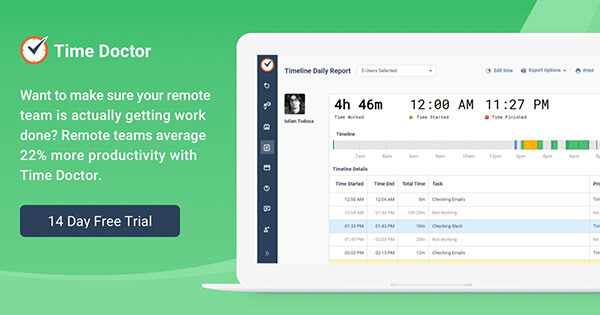
For almost $10 per person each month, Time Doctor gives full monitoring features. For example, it tracks web and app use, payroll, and webcam shots.
Clients also get exclusive access to screenshots and project reports. In addition, a mobile app tracks staff location for employers on the go.
2. Timecamp
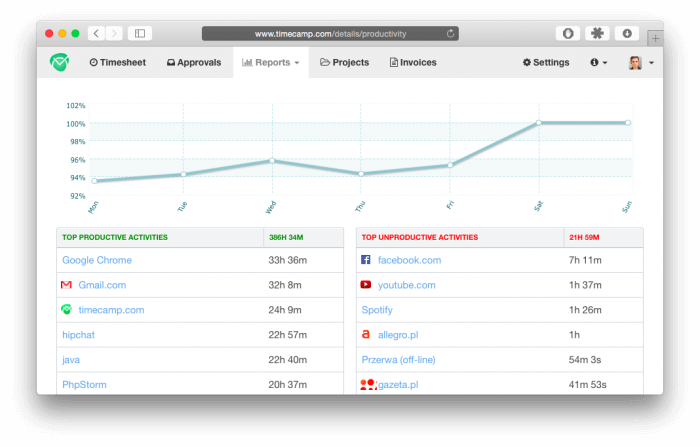
For projects that need light monitoring, TimeCamp offers a free plan for one user. So it covers time tracking and graphical timesheets. As a result, it suits one-time, output-based work.
Paid plans run from $7 to $10 per user each month. In addition, they add invoicing, payroll, and integrations. Its mobile app also allows manual time tracking on the go.
3. Insightful.io
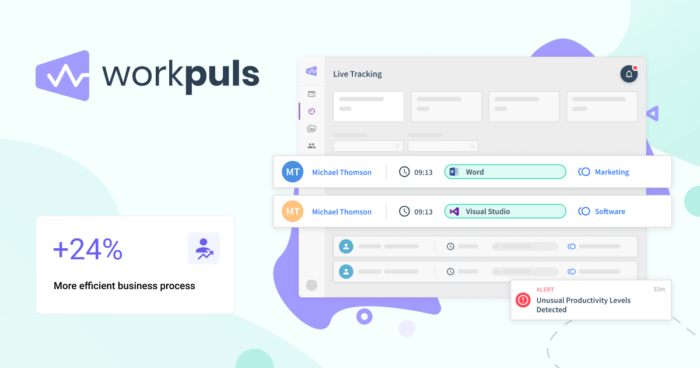
Insightful.io gives employers a clear view of team productivity. So it covers reports, timesheets, and daily activity.
It also helps firms streamline work and organize teams. Some standout features include:
- Real-time monitoring
- Automatic attendance tracker
- Manual time entries
- Productivity labeling and tracking
- Timekeeping
- Manual screenshots
For $8 per employee each month, firms can use these tools. In addition, Insightful.io offers a seven-day free trial to help you set up.
4. Hubstaff
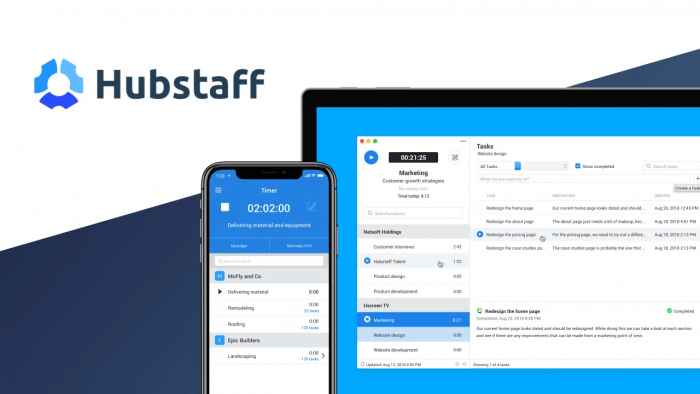
Hubstaff pricing starts at $7 per person each month for at least two users. It also includes an optional desktop screenshot, which you can customize or turn off.
Hubstaff gives staff more freedom too. For example, they pick tasks and start their own timer. As a result, employers can track activity rates and view reports in real time.
5. Harvest
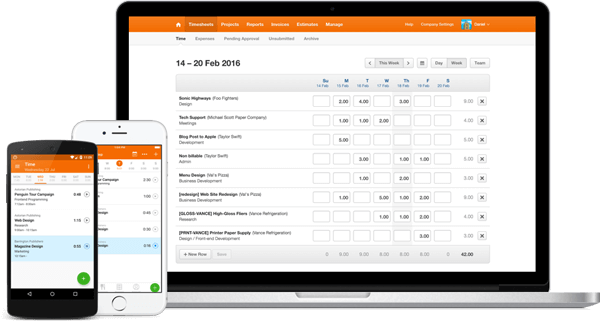
Harvest tracks activity and work time like the others. Still, it also helps prevent burnout with a unique tracking feature.
For example, it shows billable and non-billable time. In addition, it alerts staff who exceed their work hours. As a result, employers get a clear view of each person’s week.
6. We360.ai
We360.ai offers real-time analysis of your team’s screens and activity. So it gives a clear view of overall performance.
The software also helps you spot areas to improve. Its standout features include:
- Live screenshots
- Automatic attendance tracker
- Productivity tracking
- Activity tracking
- Application tracking
- Project and task management
- Dynamic reports
As a result, you can boost output with real insights. In addition, We360.ai offers a free trial, so you can start right away.
7. Kickidler
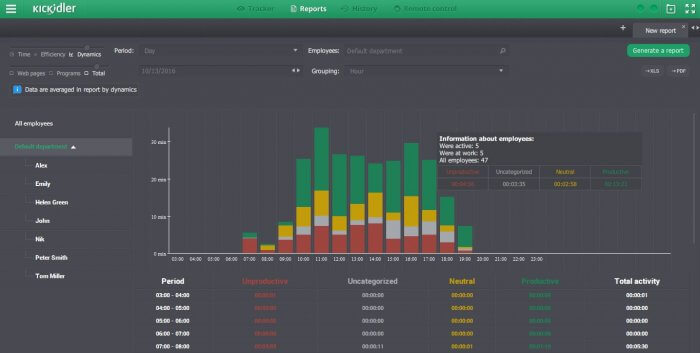
Kickidler offers full features for as low as almost $10 per month. It also has a lifetime license for $170. What sets it apart is video recording of staff activity.
For example, it captures the sites they visit and the apps they use. As a result, employers get a deep view and clear evidence of any violations.
8. WebWork
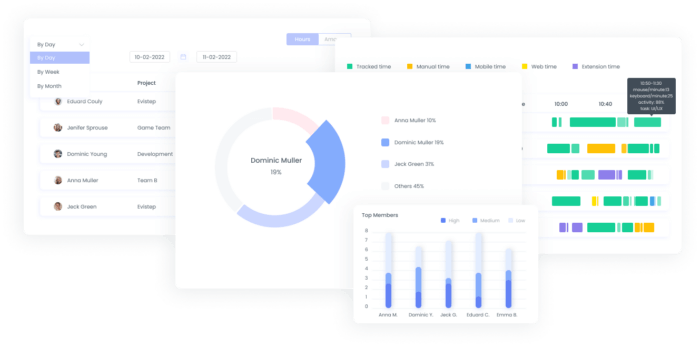
WebWork is a cross-platform tracker that logs all work activity. So it tracks your day with ease. In addition, it works on four platforms: desktop, mobile, web, and a Chrome extension.
The tool also cuts out slow, complex methods. For example, it automates monitoring with these features:
- Attendance monitoring
- Apps and website usage
- Screenshot reports
- Activity level report
WebWork is also one of the rare tools with a satisfaction guarantee. So you pay each invoice only if you are happy with the tracker.
Which screen monitoring software is best for your team?
All the tools above share useful features for tracking output. Still, some cost more but add extra tools.
In the end, the right pick depends on your team’s needs. So weigh price, features, and goals before you decide. As a result, your remote team can work better and stay accountable.
Frequently asked questions about screen monitoring software
What is screen monitoring software?
It records a user’s activity on a computer. For example, it tracks apps, websites, and time. So employers can measure output and keep data safe.
How much does screen monitoring software cost?
Most tools start around $7 to $10 per user each month. In addition, many offer free trials. So you can test the fit before you pay.
Is employee screen monitoring legal?
In most places, yes, but rules vary. So it works on a case-to-case basis. Still, it is best to disclose monitoring to staff up front.
Which screen monitoring software is best for small teams?
Hubstaff, TimeCamp, and Insightful.io all fit small teams well. For example, they start low and are easy to use. As a result, startups can begin fast.
Can screen monitoring software track remote workers?
Yes, that is its main use. So it watches activity in real time across many devices. In addition, many tools include mobile tracking for staff on the go.
Key takeaways
- Screen monitoring software records app, website, and time activity.
- Top tools include Time Doctor, Hubstaff, Insightful.io, and WebWork.
- Most start around $7 to $10 per user each month.
- Disclose monitoring to staff to keep trust and stay compliant.
- The right pick depends on your team size, budget, and goals.






 Independent





